ARTISTS
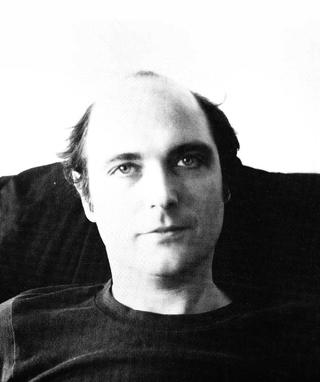
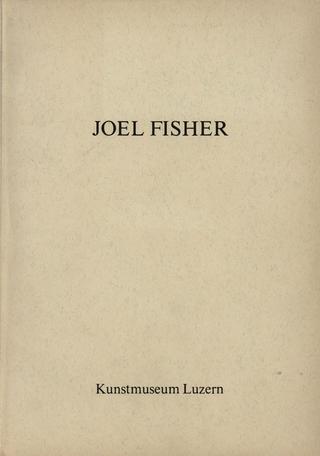
Joel Fisher was born in 1947 and was predominantly inspired creatively by the 1960s. Art turned into a vehicle for dogmas and other agendas, with Pop and Minimalism appearing simultaneously as the most defining art movements of the decade. Pop Art in New York city embraced the culture of mass media and mass consumerism, with Artists such as Andy Warhol, Roy Lichtenstein and Tom Wesselmann getting inspired by television, comic strips, billboards and other products of the rise of Capitalism for their artworks.
On the other side of the country, the West Coast in California, the first features of what would be known as Conceptual art were blossoming. Minimalism developed the central idea that art should exist in its own reality, and not try to mimic the physical world. Born of a desire to erase all pre-established conceptions about art, Minimalism became a radically progressive movement, highly influential worldwide, with artists such as Frank Stella, Donald Judd and Dan Flavin as key actors. Morris Louis, Kenneth Noland and Helen Frankenthaler were artists who sought to explore further some of the most fundamental ideologies of Abstract Expressionism, while getting rid of the expressive and highly personal aspect it would usually entail with it.
This led to the creation of Colour Field painting, deeply identifying with Minimalism. The iconic contemporary art movements that reverberated through the wave of radicalism of the 1960s also had their own distinctions and scopes, distinctive to different areas or countries. Spatialism, for instance, was established in Italy by Lucio Fontana and Piero Manzoni, and its ideologies adopted by the Zero group in Germany. Across Europe, the ideologies of Existentialism deeply influenced artists such as Francis Bacon and Alberto Giacometti, who strived to portray the raw human emotions often associated with reflections on death and the haunting anxiety of the meaninglessness of life.
RELATED PUBLICATIONS
RELATED EXHIBITIONS
READER